

Why Pilates is a Game-Changer for Your Health

Pilates has become a popular fitness method worldwide, praised for its unique approach to strengthening the body and improving overall well-being. Unlike many high-impact workouts, Pilates focuses on controlled movements, breathing, and alignment, making it accessible to people of all ages and fitness levels. This article explores why Pilates is a game-changer for your health and how it can transform your body and mind.
Understanding the Health Benefits of Pilates
Pilates is more than just an exercise routine; it is a holistic approach to physical fitness that targets the core muscles, improves posture, and enhances flexibility. The health benefits of Pilates extend beyond muscle toning and include improvements in mental clarity and stress reduction.
Some key health benefits include:
Improved Core Strength: Pilates exercises focus on the deep muscles of the abdomen and lower back, which support the spine and improve posture.
Enhanced Flexibility: Regular practice increases the range of motion in joints and muscles, reducing stiffness and the risk of injury.
Better Posture: Pilates teaches body awareness and alignment, which helps correct poor posture habits.
Increased Muscle Tone: The controlled movements help sculpt and tone muscles without adding bulk.
Stress Relief: The emphasis on breathing and mindfulness during Pilates sessions promotes relaxation and reduces anxiety.
These benefits contribute to a stronger, more balanced body and a calmer, more focused mind.

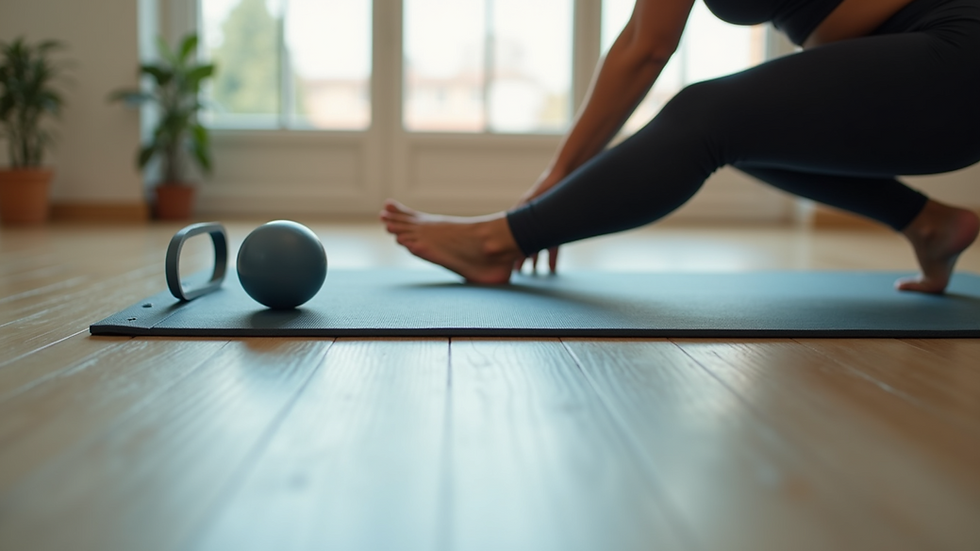
Pilates equipment designed to enhance core strength and flexibility
How Pilates Supports Injury Prevention and Rehabilitation
One of the reasons Pilates is considered a game-changer for health is its role in injury prevention and rehabilitation. The method emphasizes controlled, precise movements that strengthen muscles evenly and improve joint stability. This balanced approach helps prevent common injuries caused by muscle imbalances or poor posture.
For those recovering from injury, Pilates offers a low-impact way to rebuild strength and mobility. Physical therapists often recommend Pilates exercises to patients with back pain, neck pain, or joint issues because it strengthens the muscles that support the spine and other vulnerable areas.
For example, a person with chronic lower back pain can benefit from Pilates exercises that target the deep core muscles, providing better spinal support and reducing discomfort. Similarly, athletes use Pilates to improve muscle balance and prevent overuse injuries.
How Often Should You Do Pilates to See Benefits?
Consistency is key when it comes to Pilates. To experience noticeable improvements in strength, flexibility, and posture, it is recommended to practice Pilates at least 2 to 3 times per week. Each session should last between 45 minutes to an hour to allow for a full-body workout and proper focus on breathing and alignment.
Beginners might start with one session per week and gradually increase frequency as their body adapts. It is important to listen to your body and avoid overexertion, especially when starting out.
Incorporating Pilates into your weekly routine can lead to:
Enhanced muscle tone and endurance
Improved joint mobility and flexibility
Better posture and reduced pain
Increased body awareness and coordination
For those with specific health goals or rehabilitation needs, working with a certified Pilates instructor can provide personalized guidance and ensure exercises are performed safely and effectively.

Pilates mat exercises targeting core strength and stability
Practical Tips to Maximize Your Pilates Practice
To get the most out of your Pilates sessions, consider these practical tips:
Focus on Form: Quality over quantity is essential. Perform each movement slowly and with control to engage the correct muscles.
Breathe Properly: Pilates emphasizes deep, rhythmic breathing. Coordinate your breath with your movements to enhance oxygen flow and relaxation.
Use Props and Equipment: Incorporate tools like resistance bands, Pilates rings, or reformer machines to add variety and challenge.
Stay Consistent: Regular practice is crucial for long-term benefits. Schedule your sessions like any important appointment.
Listen to Your Body: Modify exercises if you experience pain or discomfort. Pilates should never cause sharp pain.
Combine with Other Activities: Pilates complements other forms of exercise such as walking, swimming, or yoga for a balanced fitness routine.
By following these tips, you can ensure your Pilates practice is safe, effective, and enjoyable.
Embracing Pilates for a Healthier Lifestyle
Pilates is more than just a workout; it is a lifestyle choice that promotes physical and mental well-being. The benefits of pilates include improved strength, flexibility, posture, and stress management, making it a comprehensive approach to health.
Whether you are looking to enhance your fitness, recover from injury, or simply find a mindful way to move your body, Pilates offers a versatile and accessible solution. Its focus on controlled movement and body awareness helps you connect with your body in a meaningful way, encouraging healthier habits and a more balanced life.
Start your Pilates journey today and experience how this transformative practice can change your health for the better.


Comments